In 2026, content experience might just be the new SEO. Surprised? Do not be! The rules of digital marketing are shifting fast. Marketers who spent years perfecting keyword density and backlinks are now facing a new reality: how your audience experiences your content can make or break your search rankings.
If you have been ticking all the traditional SEO boxes yet still seeing high bounce rates and low traffic, you are not alone. The missing piece is often the experience your content delivers. In this blog, we will explore why audience experience in your content has become the secret machine for SEO success and what marketers must do next to thrive in the coming days.
💡 What Is Content Experience: A Know-How
Let us start with the basics: what do we mean by content experience? Think of content experience as how easy and enjoyable your content feels to consume – from the words you choose and how you organize them to how clean the page looks, how smoothly it reads on mobile and how confidently a reader can take the next step. It is the presentation, engagement and feeling that accompany your articles, videos, or posts.
Did the page load quickly? Is the text easy to read on mobile? Are there helpful visuals or interactive elements to keep the reader hooked? All of these factors contribute to this experience. This ensures that consuming your content is enjoyable, intuitive and memorable.
You might be thinking, “Is this just another term for content marketing or content strategy?” Not exactly. Marketing focuses on what you create and why – for example, producing valuable blog posts or videos to attract and engage an audience.
Content experience, on the other hand, focuses on how that content is delivered and received. It is the difference between simply publishing a great blog post versus presenting that post in a way that wows your reader.
A simple way to spot the difference: good content answers the question. Great content experience makes that answer easy to find, easy to read and easy to continue from – without distractions getting in the way.
You could have the most insightful article in the world, but if it is buried under interrupting pop-ups and a confusing layout, readers will move out. In 2026, ensuring a positive user experience around your content is mandatory for keeping people engaged and signaling quality to search engines.
🔍 Why Content Experience Matters for SEO in 2026

SEO strategy has moved beyond traditional tactics. The days are over when you could climb the rankings solely with keyword-stuffed pages and a few backlinks. Today, Google and other search engines prioritize websites that offer high-quality content, seamless usability and a great overall user experience.
If users land on your page and find it slow, unattractive, or hard to navigate, they will leave – and search engines notice. High bounce rates, short dwell times, and low engagement can all indicate that your content is not meeting visitor expectations. And if users do not like your site, why would Google want to show it?
Think about it from Google’s perspective: their goal is to keep searchers happy by delivering results that answer their query effectively and delight them. A well-crafted content experience – fast, relevant, interactive content that is easy to digest – does exactly that.
It is no wonder that Google’s recent algorithm updates (like the Helpful Content system) heavily prioritize valuable, user-centric content over clickbait or spam. Websites that make visitors happy tend to see better rankings over time.
Here is an example. Imagine you publish a comprehensive guide that perfectly answers a user’s question. If that guide is presented with clear headings, images, maybe an embedded how-to video and it loads instantly on mobile, users will stay longer, scroll further, perhaps even share it. All these positive signals – longer time on page, social shares, lower bounce rate – indicate strong user engagement.
📋 Key Elements of an Exceptional Content Experience
A winning experience is the result of thoughtful design, content marketing strategy and continuous tweaking to meet user needs. Let us break down the core components that make up a stellar audience experience in your content.
Well-Organized, Easy-to-Read Content
A strong content experience starts with writing that feels effortless to follow. Use simple words and familiar phrases. Keep paragraphs short. Break long ideas into clear sections with helpful headings so readers can scan and still understand.
If a reader has to “work hard” to get value, they will leave – even if the information is great. Make your content easy on the eyes, easy on the brain and easy to revisit later.
Quick ways to improve readability (without changing your message):
- Use short sentences mixed with a few longer ones
- Prefer active voice and direct wording
- Add a summary or “key takeaway” near the top
- Use bullets when listing steps, tools, ideas or examples
Speed And Performance
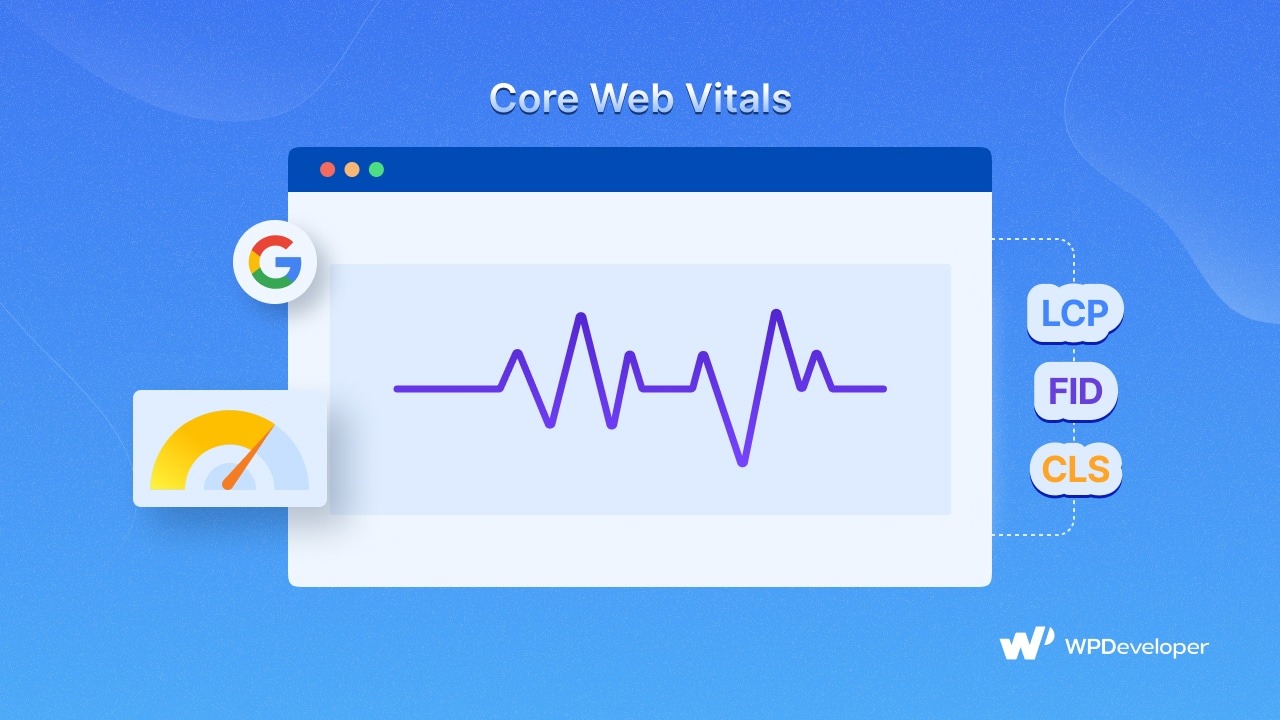
A slow site is an SEO killer, no doubt about that. Users expect pages to load instantly. If your content is great but takes forever to appear, visitors are already hitting the back button. Optimize your site for performance – compress images, enable caching and pay attention to Google’s page experience signals (often measured through Core Web Vitals).
Mobile-Friendly Design
More than half of web traffic is mobile. If your blog or website is not mobile-optimized, you are offering a poor experience to a huge number of users (and Google’s mobile-first index will not be happy either). Ensure responsive design so the content looks great on all screen sizes. Simple, clean layouts, legible text and easy-to-tap navigation make a big difference in user experience.
Clear Disruptive Clutter
Even great content can feel unreadable when the page is crowded. Too many ads, pop-ups, autoplay videos or sticky banners break the reading flow and push visitors away. In 2026, a clean reading experience is part of content quality.
Keep monetization and CTAs, but make sure they do not interrupt the content. Give readers space to focus first – then invite them to take action.
Declutter checklist:
- Avoid pop-ups that appear instantly on page load
- Limit repeated ad blocks between every paragraph
- Remove anything that covers text on mobile
- Place CTAs after the value, not before it
Engaging And Interactive Content
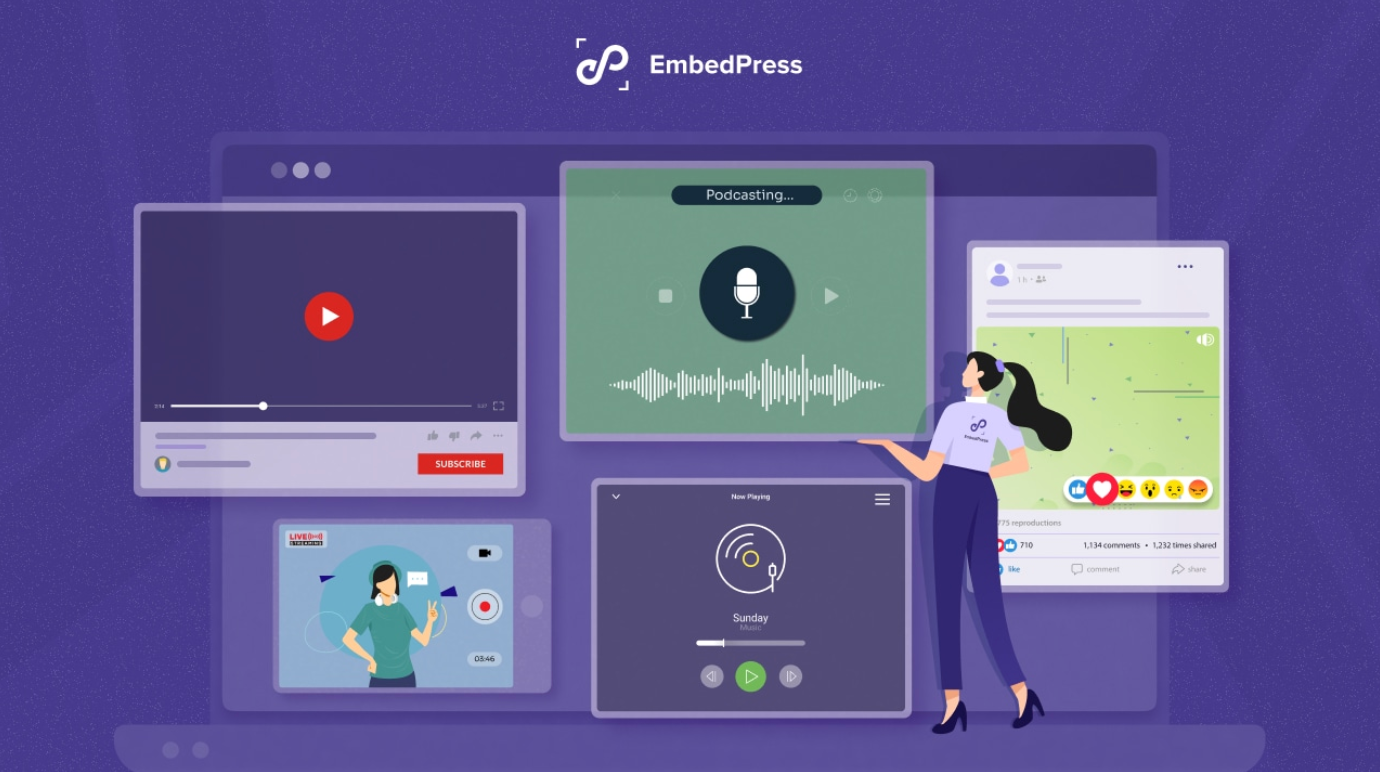
Static walls of text no longer win it. To boost user engagement, you must incorporate interactive content and rich media that invite readers to participate or explore. This could be videos, infographics, slide embeds, quizzes, polls or social media posts embedded right into your page.
Interactive elements not only grab attention but can also significantly increase the time users spend on your site. In fact, studies have found that interactive content generates twice as many conversions as static content.
Clear Information Architecture
A great content experience also means easy navigation and structure. If visitors cannot find what they need or get lost on your site, that is a problem. You need to organize your content logically – use clear menus, related links and content clusters so users (and search engine bots) understand how everything connects.
Internal linking is not just good for SEO; it guides readers to more of your relevant content, increasing their time on site. Think of your website like a library: categorize your content by topics, use descriptive headings and provide “next steps” or suggestions for further reading.
Personalization And Relevance
Ever feel like a piece of content was written just for you? That is the magic of personalization. Think tailored recommendations (“If you enjoyed this, you might also like…”), showing related posts based on user interest or email newsletters that adapt to a reader’s behavior. In 2026, consumers expect content that speaks to them. Use what you know about your audience (via analytics or feedback) to serve relevant content at the right time.
Credibility And Trust Factors
Imagine reading an article that has factual errors, no author info and a bunch of spammy ads – you would question its credibility, right? So would search engines. To provide a superior audience experience, pay attention to accuracy, transparency and aesthetics. Keep your content updated and include author bios or credentials for expertise.
Google’s own quality guidelines emphasize E-E-A-T: Experience, Expertise, Authoritativeness, Trustworthiness. By showcasing your expertise and providing a clean, professional reading environment, you make users and search engines more confident in your content.
An Omnichannel Approach
A blog post can be excellent yet still underperform if people never see it. That is why content distribution is part of content experience. Your audience should be able to find the same idea across the channels they already use – social, email, communities, video platforms and even internal team docs.
When you deliver content consistently across channels, you reduce friction, increase return visits and make it easier for readers to trust your brand over time.
🧑💻 What Marketers Must Do Next to Embrace Content Experience
Now comes the big question: what should marketers do next to keep up with this trend? It is time to turn theory into action. Here is a plan to elevate your content experience (and, by extension, your SEO) in practical ways:
1. Audit Your Current Content Experience
Start with a frank assessment of where you stand. Put yourself in your audience’s shoes. Get real user feedback if you can and analyze key metrics: page load times, bounce rates, average time on page, social shares, etc. Identify the pain points – maybe certain pages have high exit rates or your user engagement drops off quickly. Those are signs of a content issue. Also, review your content on different devices and browsers.
2. Prioritize User Needs
Happy users lead to happy search engines. Shift your mindset from “How do I get keyword X into this page?” to “What is my reader actually looking for, and how can I make it more informative for them?” In practice, this means focusing on search intent and usefulness above all.
Ensure every piece of content solves a problem, answers a question or entertains in a meaningful way. Structure your articles to be reader-friendly: clear headings, concise paragraphs and a logical flow. Solve the user’s query better than anyone else out there.
3. Make It Easy to Read
Before adding more keywords or more sections, improve clarity. Rewrite confusing sentences, remove filler lines and use simple words. Add headings that guide the reader from start to finish. The goal is not to sound smart. The goal is to be understood fast.
4. Enrich Your Content with Multimedia And Interaction
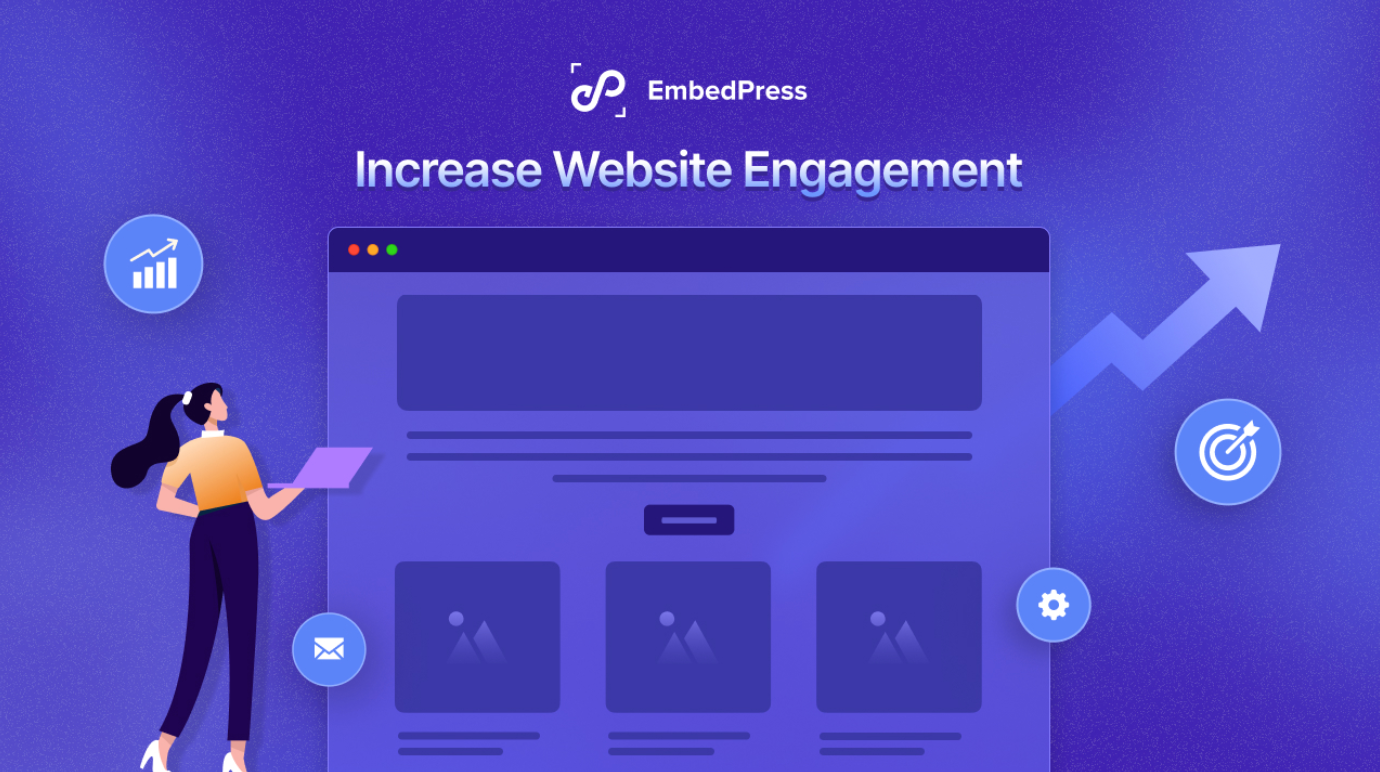
If you have mostly been publishing text-only articles, it is time to spice things up. Modern content marketing strategy calls for a mix of media to create a richer experience. Can you add relevant images, diagrams or embedded videos to support your points? Perhaps include an interactive quiz at the end of a guide to help readers apply what they learned. Or embed a social media post as a real-world example within your blog.
These enhancements turn passive reading into active engagement. For WordPress users (and most of us are), this is easier than ever – you can embed YouTube videos, Slideshare decks, Tweets, Instagram posts and more with just a single click using EmbedPress.
5. Build a Simple Omnichannel Distribution Plan
Do not publish once and hope people find it. Plan where the content will go next – email, social platforms, community posts and repurposed formats. One strong article can become multiple touchpoints that pull people back to your site and keep your content experience consistent everywhere.
6. Remove Distractions to Keep the Experience Clean
Make sure nothing gets between the reader and your message. Reduce clutter like aggressive pop-ups, excessive ads and layout elements that break attention. Keep calls-to-action, but place them naturally so they support the content rather than interrupt it.
7. Personalize And Segment Your Content (Where Possible)
This one might be a bit advanced, but it is worth exploring. Not all visitors have the same needs or interests. If you can tailor the experience, even in small ways, you increase the chance that each user finds what they want.
For example, on your blog homepage, you might feature different content for first-time visitors versus returning readers (many sites do this with “new here? start with these posts” vs. “recommended for you”). If you have user data or run a membership site, utilize it to show personalized recommendations. Even a simple post grid widget that aligns with the current article’s topic can guide readers to continue their journey on your site.
🔧 Utilize Tools And Platforms to Enhance Content Experience
You do not have to do all of this manually – luckily, there is an array of tools to help create a fantastic experience for your audience. Since many of us use WordPress for content marketing (thanks to its flexibility), let us start there.
WordPress offers thousands of themes and plugins geared towards improving content presentation and interaction. A well-chosen WordPress theme can instantly make your site more modern, mobile-friendly and user-centric.
On the plugin side, one standout tool is EmbedPress – a powerful WordPress plugin that makes embedding rich media a breeze. With EmbedPress, you can seamlessly integrate over 250+ content sources into your pages.
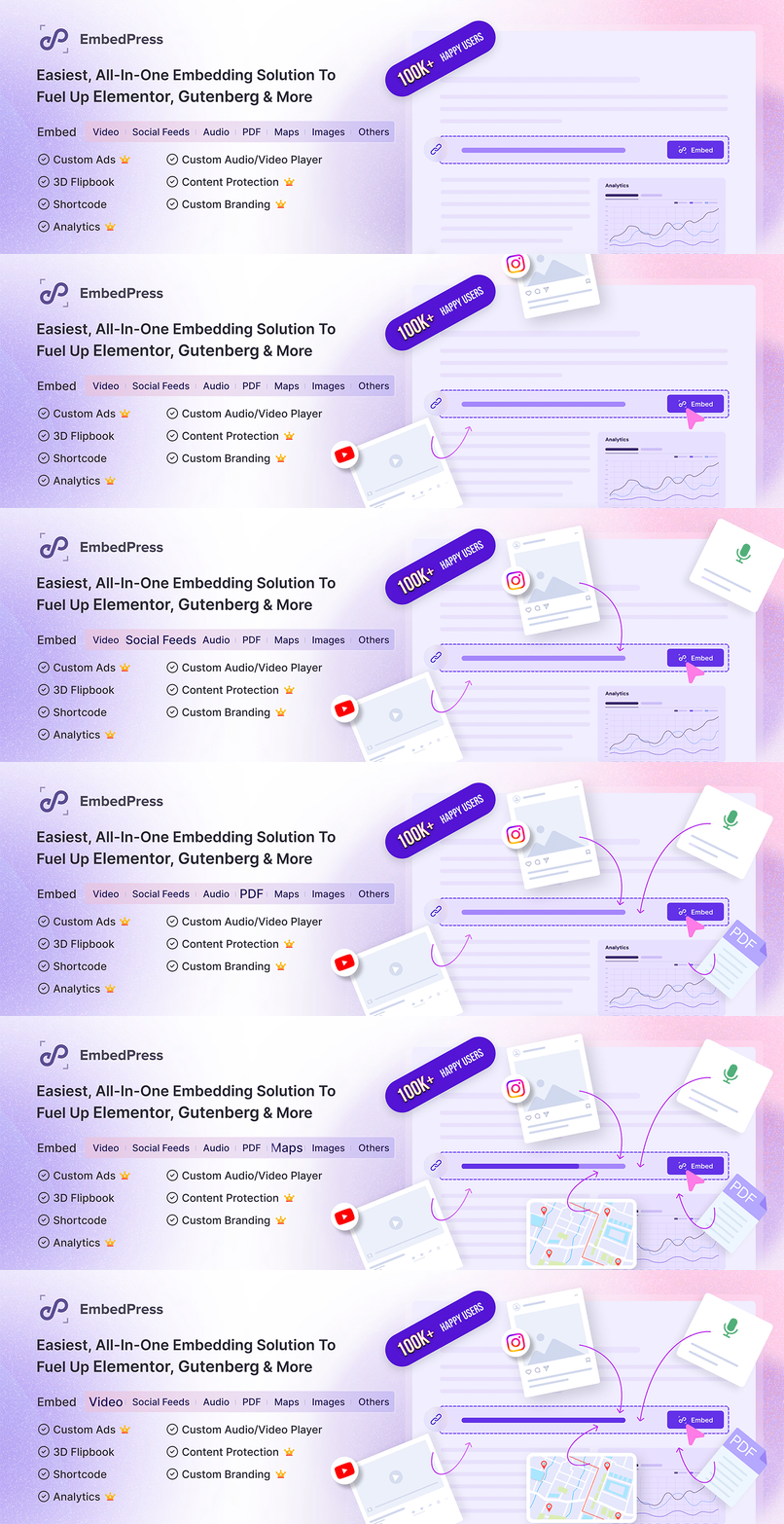
That means YouTube videos, Vimeo, Google Maps, SlideShare decks, Spotify podcasts, social media posts, Canva designs and much more can be added with a simple URL copy-paste. Why is this a big deal for audience experience for your content? It allows you to add interactive content and multimedia without any coding or headache.
Instead of sending users off to YouTube or Twitter, you can bring that content into your blog, keeping viewers engaged on your site. For example, if you are discussing a case study, you could embed a YouTube video of a customer testimonial right within the post. Or if you mention a great Tweet, just embed it so readers see it in context. This enriches the experience while maintaining coherence.
Besides EmbedPress, consider other plugins for enhancing UX: caching and optimization (like caching in xCloud) to boost site speed, image compression plugins to optimize media and interactive content plugins to add engagement features. However, they can be overkill for smaller teams. A well-optimized WordPress site with the right mix of plugins is enough to deliver an amazing site experience for your audience.
🚀 Embrace the Content Experience Upgrade Your Site Deserves
Marketers who recognize this shift in 2026 are the ones sure to climb the rankings and win customer hearts. By focusing on how your content is experienced (not just what it says), you create a win-win scenario: users enjoy your content more and search engines take notice of that positive engagement. The strategies we discussed – from speeding up your site, adding interactive content, and refining your content marketing strategy around user intent, to utilizing tools like EmbedPress – all come down to one motto: put the user first.
So, where do you go from here? Start small if you must, but start somewhere. Maybe today you can compress some images and declutter your layout. Tomorrow, you embed a helpful tutorial video in your next blog post. Next week, you will brainstorm how to make your content more interactive or personalized. Step by step, build an audience experience that sets you apart from the competition.
If you have found this blog helpful, share your opinion in the comment section and get connected to our Facebook community. You can also subscribe to our blogs for valuable tutorials, guides, knowledge, tips and the latest WordPress updates.